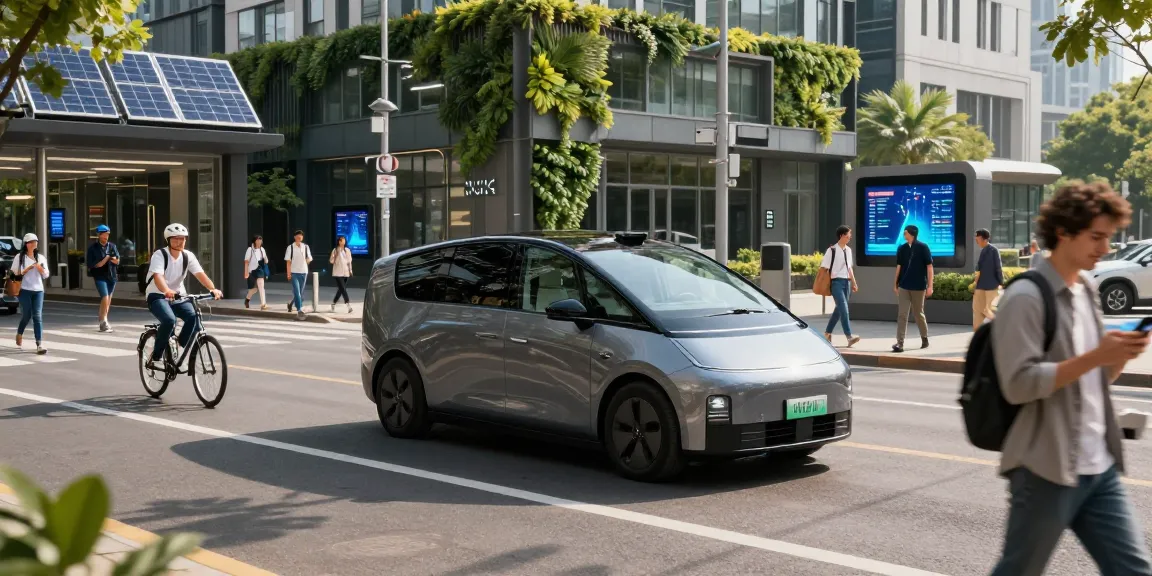
The Evolution of Autonomous Driving Technology
Autonomous driving technology has rapidly evolved over recent years, driven by advancements in artificial intelligence, machine learning, and sensor technologies. This innovative field promises to redefine our transportation systems, offering safer, more efficient, and environmentally friendly travel solutions. As we venture into 2026 and beyond, understanding the current trends and technological advancements in autonomous driving becomes essential for consumers, manufacturers, and regulators alike.
What is Autonomous Driving?
Autonomous driving, often referred to as self-driving or driverless technology, encompasses vehicles that can operate without human intervention. These vehicles utilize a combination of sensors, cameras, and artificial intelligence to navigate roads and respond to their environment. The ultimate goal is to create a safe and efficient driving experience that minimizes human error, which is responsible for a significant percentage of traffic accidents.
Key Milestones in Self-Driving Development
The journey toward fully autonomous vehicles began in the mid-20th century, but significant milestones in technology have accelerated this endeavor:
- 1980s: The first autonomous vehicle prototypes emerged from universities, showcasing the potential for self-navigation.
- 2000s: The DARPA Grand Challenge ignited interest, with several teams developing vehicles capable of navigating off-road environments autonomously.
- 2010s: Major manufacturers like Google, Tesla, and Uber invested heavily in autonomous technology, introducing semi-autonomous features in consumer vehicles.
- 2020s: Testing of fully autonomous cars in urban environments became common, while regulatory frameworks began to evolve to support this technology.
Safety and Regulatory Challenges of Autonomous Vehicles
Despite the promise of enhanced safety features through autonomous driving, several challenges persist that need to be addressed to gain public acceptance and regulatory approval.
Understanding Automated Vehicle Safety Standards
The establishment of safety standards for autonomous vehicles is crucial. Organizations such as the National Highway Traffic Safety Administration (NHTSA) have begun to outline best practices for manufacturers, including required testing protocols, safety assessments, and adherence to existing traffic laws. Ensuring these standards are met is vital for public trust in self-driving technology.
Regulatory Landscape: Current and Future Considerations
As autonomous vehicles become more prevalent, a complex regulatory landscape is emerging. Various states have implemented different regulations, and there is a growing need for a cohesive national framework. Alongside safety, considerations for liability, insurance, and data privacy are critical areas for lawmakers to address.
Public Perception and Trust in Autonomous Driving Technology
Public perception of autonomous driving technology plays a pivotal role in its adoption. Many consumers remain skeptical about the safety and reliability of self-driving cars, primarily due to high-profile accidents involving autonomous systems. Building trust through transparency, education, and successful pilot programs will be essential in influencing public opinion.
Benefits of Autonomous Driving for Consumers
The benefits of autonomous driving extend beyond just technological advancements; they resonate deeply with urban commuters and the general public.
Enhanced Safety Features: Reducing Traffic Accidents
One of the most significant advantages of autonomous vehicles is the potential to drastically reduce traffic accidents. By minimizing human error—which accounts for over 90% of accidents—autonomous vehicles can enhance road safety significantly. Advanced sensors and AI algorithms ensure that vehicles can detect and respond to hazards more quickly than human drivers.
Time Efficiency and Convenience for Urban Commuters
As urban areas become increasingly congested, autonomous vehicles promise to streamline commuting. With features like automated routing based on real-time traffic conditions and the ability to find parking independently, commuters can save valuable time and reduce stress associated with daily travel.
Environmental Impact: Autonomous Vehicles and Sustainability
Autonomous vehicles can also contribute to environmental sustainability. By optimizing driving patterns and reducing unnecessary acceleration and braking, these vehicles can improve fuel efficiency and lower emissions. Moreover, the potential for shared autonomous vehicle services may reduce the overall number of cars on the road, further decreasing environmental impact.
Real-World Applications and Case Studies
Several companies are exploring real-world applications of autonomous driving technology, each with unique challenges and successes.
Leading Companies in Autonomous Driving: A Market Overview
Key players such as Waymo, Tesla, and Cruise are at the forefront of autonomous driving. Waymo, for instance, has implemented a ride-hailing service in select cities, utilizing fully autonomous vehicles, while Tesla has integrated advanced driver-assistance systems into its consumer vehicles.
Successful Autonomous Driving Pilot Programs
Many pilot programs are underway globally, testing the viability of autonomous vehicles in varied environments. For example, the deployment of self-driving shuttles in urban areas helps gather data on pedestrian interaction and traffic dynamics, paving the way for future scaling of the technology.
Challenges Faced in Real-World Implementations
Yet, challenges abound. Technical issues such as sensor reliability, software bugs, and unforeseen traffic scenarios pose obstacles. Additionally, ensuring robust cybersecurity measures against potential hacking attempts remains critical in safeguarding autonomous vehicle systems.
The Future of Autonomous Driving: Predictions for 2026 and Beyond
As we look to the future, emerging technologies and consumer expectations will significantly shape the landscape of autonomous driving.
Emerging Technologies Enhancing Autonomous Driving
New technologies, such as 5G connectivity, are set to revolutionize vehicle communication. Enhanced communication between vehicles and infrastructure (V2X communication) can significantly improve safety and navigation, allowing cars to respond to environmental changes immediately.
Predicting User Experience in Self-Driving Cars
As user interface designs evolve, the experience within autonomous vehicles is expected to shift dramatically. Passengers may enjoy enhanced comfort and entertainment options, transforming what it means to travel. Onboard systems will likely integrate more personalized experiences, catering to individual preferences and needs.
The Role of Artificial Intelligence in Advancing Autonomous Technologies
AI will remain at the core of ongoing advancements in autonomous driving. Machine learning algorithms will continue to improve vehicle perception and decision-making capabilities, leading to safer and more reliable self-driving systems. Incorporating vast amounts of data from real-world driving scenarios will further sharpen AI models.
What are the primary benefits of autonomous driving?
While numerous benefits exist, the most noteworthy include enhanced safety, reduced commuting times, and lower environmental impact, offering a significant improvement over traditional driving experiences.
How do self-driving cars impact urban infrastructure?
Self-driving cars have the potential to reshape urban infrastructure by reducing the need for extensive parking spaces and enabling smarter traffic management systems that can adapt dynamically to current conditions.
What safety measures are in place for autonomous vehicles?
Safety measures include rigorous testing protocols, adherence to established safety standards, and ongoing monitoring of autonomous systems to swiftly address any issues that may arise.
How will regulations evolve for autonomous driving technology?
Regulations are expected to evolve as technology advances, with a focus on creating flexible frameworks that can adapt to innovations while ensuring safety and public trust remain a priority.
What role does AI play in the advancement of autonomous driving?
AI serves as the backbone of autonomous systems, from interpreting sensor data to making real-time driving decisions, thereby enhancing overall vehicle performance and safety.